
Why Routine Vet Checkups Are Essential for Your Cat’s Long-Term Health
May 3, 2026 5:34 pmAs natural predators, cats have an instinctive drive to conceal vulnerability, which means that by the time your feline companion shows visible signs of sickness, the condition may already be well advanced. This is exactly why routine vet checkups are not just a nice-to-have, they are a cornerstone of responsible cat ownership.
Whether you are searching for a cat clinic in Alexandria, VA, or simply trying to understand the value of feline preventative care, this guide will walk you through why regular wellness visits can make a profound difference in your cat’s quality of life.
The Hidden Nature of Feline Illness and Why Early Detection Matters
One of the most compelling reasons to schedule routine vet checkups is the simple fact that cats are notoriously good at hiding pain. A cat that appears healthy on the surface may be managing chronic kidney disease, early-stage diabetes, dental disease, or hypertension without any obvious outward signs. Veterinarians are trained to detect these subtle shifts through physical examination, bloodwork, and other diagnostic tools.
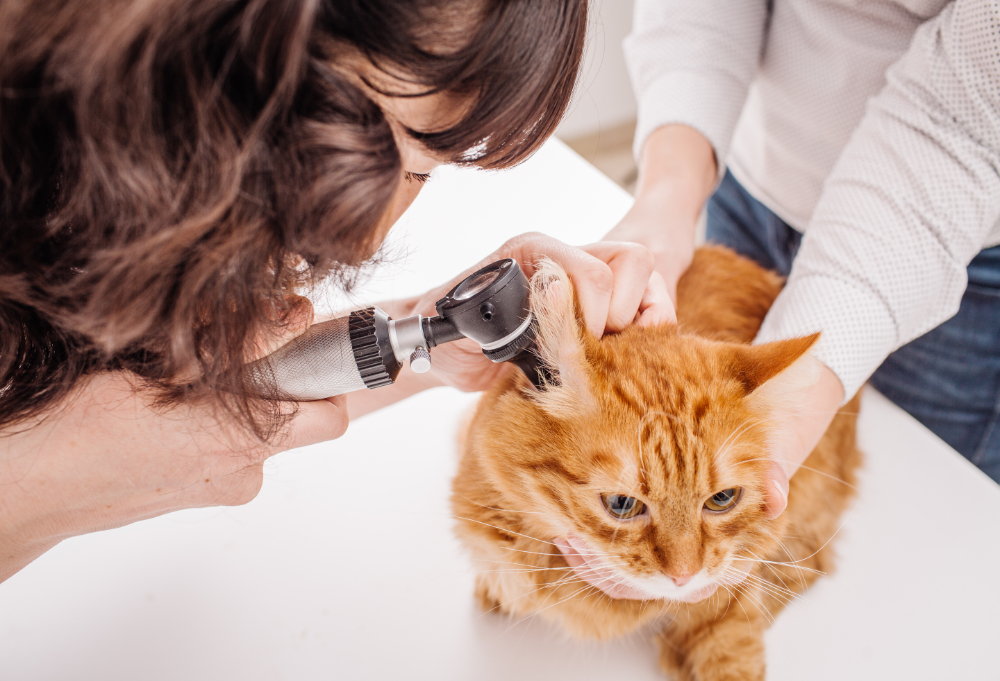
During a standard cat wellness exam in Kingstowne or any reputable clinic, your vet will assess your cat’s weight, coat quality, eyes, ears, teeth, heart, lungs, and abdomen. Each of these areas can tell a detailed story about what is happening inside your cat’s body. A slight heart murmur, a minor change in kidney values, or a small lump that has just started forming are the kinds of findings that can be life-saving when caught early.
Early detection translates directly into better treatment outcomes and, in many cases, lower long-term costs. A kidney condition identified in its earliest stage, for example, can often be managed with dietary changes and monitoring. The same condition discovered years later may require intensive treatment. Routine checkups shift the entire dynamic from reactive medicine to proactive care.
Feline Preventative Care: Building a Health Baseline Over Time
Feline preventative care is not just about catching illness early. It is also about establishing a comprehensive health baseline for your individual cat. Every cat is different, and what is normal for one may be a red flag for another. When your cat visits the same clinic consistently over the years, the veterinary team builds a detailed picture of that animal’s unique health profile.
This longitudinal record is incredibly valuable. If your cat’s weight has gradually declined over three years, the pattern may be visible in the records even if no single visit showed a dramatic drop. Trends in bloodwork, blood pressure readings, and even behavioral notes from each visit can paint a picture that a one-time appointment simply cannot provide.
Preventative care also encompasses vaccinations, parasite prevention, and dental health. Core vaccines protect against serious and potentially fatal diseases such as panleukopenia, calicivirus, and herpesvirus. Even indoor cats face risks, since viruses can be carried in on clothing or through windows. A trusted cat clinic in Alexandria, VA, will help you determine which vaccines are appropriate based on your cat’s lifestyle, age, and medical history.
Parasite prevention is another often-overlooked component of feline preventative care. Fleas, ticks, heartworms, and intestinal parasites are real threats even for cats that spend most of their time indoors. Your vet can recommend safe and effective preventative treatments tailored to your region and your cat’s specific risk factors.
What to Expect During Cat Wellness Exams in Kingstowne and Beyond
If you have never taken your cat for a routine wellness visit or it has been a while since the last one, you might be wondering what the experience actually looks like. Cat wellness exams in Kingstowne and throughout the greater Alexandria area follow a fairly standard structure, though the specifics can vary depending on your cat’s age and health history.
A typical wellness exam begins with a review of your cat’s history, recent behavioral changes, appetite, water intake, and litter box habits. This conversation is just as important as the physical exam itself, because you are the one who observes your cat every day. Details you might consider insignificant, such as slightly increased water consumption or a subtle change in grooming habits, can be meaningful diagnostic clues.
The physical examination itself is thorough. The vet will check body condition score, muscle mass, lymph nodes, skin and coat, oral health, and organ size through palpation of the abdomen. Heart rate, respiratory rate, and body temperature are also recorded. For senior cats, typically those seven years and older, additional bloodwork, urinalysis, and blood pressure measurement are often recommended to catch age-related conditions sooner.
After the exam, your vet will walk you through findings, answer your questions, and develop a care plan that may include follow-up testing, dietary adjustments, dental cleanings, or simply a plan to monitor certain findings at the next visit. The goal is a partnership between you and your veterinary team, grounded in knowledge and trust.
How Often Should You Schedule Checkups for Your Cat?
The frequency of vet visits depends largely on your cat’s age and overall health status. Kittens require more frequent visits during their first year of life to complete their vaccination series and monitor their development. Adult cats between one and seven years of age generally benefit from an annual wellness exam. Senior cats, those over seven years old, are best served by biannual visits, since age-related conditions can develop and progress more rapidly in older animals.
Of course, these are general guidelines. Cats with chronic conditions, those on long-term medications, or those with a history of recurring health issues may need to be seen more frequently. Your vet will help you determine the right schedule for your individual cat’s needs.
It is also worth remembering that cats age much faster than humans. A one-year-old cat is roughly equivalent to a 15-year-old human. A seven-year-old cat is closer to 44 in human years. Viewed through this lens, waiting two or three years between vet visits is a significant gap in oversight of your cat’s health.
Choosing a local, consistent provider matters too. Families in Northern Virginia who rely on a cat clinic in Alexandria, VA, for their feline preventative care benefit from having a team that knows their cat by name, by temperament, and by medical history. That familiarity is difficult to replicate with sporadic visits to different providers.
The Emotional and Financial Value of Staying Ahead of Health Problems
There is an emotional dimension to routine veterinary care that deserves acknowledgment. Cats are beloved family members, and their wellbeing is deeply tied to the wellbeing of the people who love them. Watching a cat suffer from an illness that might have been caught earlier is genuinely heartbreaking, and many pet owners carry the weight of that regret for years.
Investing in cat wellness exams in Kingstowne or at your local Alexandria clinic is also a financially sound decision over the long term. Preventative care is almost always less expensive than emergency or specialist treatment. Catching dental disease before it causes tooth loss and systemic infection, identifying hyperthyroidism before it damages the heart and kidneys, or diagnosing diabetes early enough to manage with diet are examples where a modest investment in routine care can prevent thousands of dollars in future treatment costs.
Beyond the finances, there is peace of mind. Knowing that your cat has been thoroughly examined by a professional, that their vaccinations are current, and that there are no hidden health concerns developing quietly in the background is genuinely reassuring.
Conclusion
Routine vet checkups are one of the most meaningful investments you can make in your cat’s health and happiness. Through consistent feline preventative care, early detection of illness, and the steady building of a health baseline, these visits give your cat the best possible chance at a long, comfortable life. If you are in Northern Virginia and looking for a cat clinic in Alexandria, VA, or seeking cat wellness exams in Kingstowne, make that appointment today. Your cat cannot advocate for their own health, but you can.
Need a Cat Veterinarian in Alexandria, VA?
Welcome to Kingstowne Cat Clinic! Kingstowne Cat Clinic is a locally owned, community focused cat clinic. We specialize in giving your feline friend the care they need. We offer wellness exams, surgery, dentistry, vaccinations, and acupuncture. We also provide sedated grooming and at home euthanasia. Kingstowne Cat Clinic is dedicated to providing quality medical and surgical care for all cats. Contact us today for an appointment!
Categorised in: Cat Veterinarian
This post was written by admin