
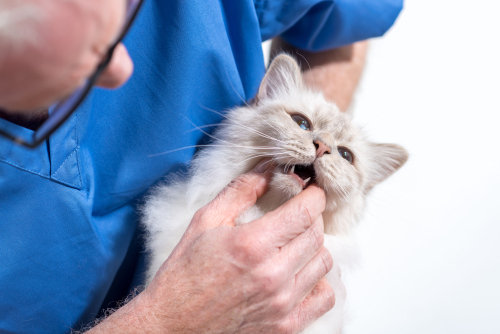
Silent Signs of Feline Dental Disease: How to Protect Your Cat’s Smile
August 8, 2026 7:45 pmCats are experts at hiding pain, which means dental disease can progress for months before owners notice something is wrong. Many families in Alexandria only realize their cat has a dental problem after bad breath, difficulty eating, or behavior changes become impossible to ignore. Recognizing the subtle warning signs early can help protect your cat’s comfort and overall health.
Quick Answer
Feline dental disease often develops silently, with many cats showing only subtle changes in eating habits, grooming, or behavior. Regular dental exams, professional cleanings when recommended, and daily at-home dental care can help detect problems early and protect your cat’s oral and overall health.
What Local Cat Owners Should Know
-
Dental disease is one of the most common health conditions seen in adult cats.
-
Cats living in Alexandria, Kingstowne, Franconia, and nearby communities often hide oral pain until disease is advanced.
-
Annual or more frequent veterinary dental exams help identify problems before they become painful.
-
Changes in grooming, appetite, or personality may be signs of dental discomfort rather than normal aging.
-
Professional dental care combined with home dental hygiene provides the best long-term protection for your cat’s smile.
Why This Matters Locally
Protecting your cat’s dental health is especially important for pet owners throughout Alexandria and surrounding Fairfax County communities. Many indoor cats receive excellent preventive care but still develop dental disease because plaque and tartar accumulate over time. Busy schedules can also make it easy to overlook subtle changes that develop gradually.
At Kingstowne Cat Clinic, we focus exclusively on feline medicine, helping cats receive dental care designed for their unique needs. We believe early detection allows us to address dental disease before it affects your cat’s quality of life.
Local Data or Field Observations
Veterinary organizations such as the American Veterinary Medical Association and the American Animal Hospital Association recognize dental disease as one of the most frequently diagnosed conditions in adult cats. In our experience caring for feline patients throughout the Alexandria area, many cats with significant dental disease show only mild behavioral changes before diagnosis during a routine wellness examination.
How Dental Disease Affects Your Cat
Dental disease involves more than dirty teeth.
Inflamed gums, infected teeth, and painful oral conditions can make eating uncomfortable and may reduce your cat’s overall quality of life. Cats may continue eating despite significant discomfort because their instinct is to hide illness.
Left untreated, dental disease may lead to:
-
Chronic oral pain
-
Tooth loss
-
Gum infections
-
Difficulty chewing
-
Reduced appetite
-
Weight loss
-
Ongoing inflammation that may affect overall health
Warning Signs of Feline Dental Disease
Silent signs of feline dental disease often appear gradually and may be easy to miss.
Watch for these warning signs:
-
Persistent bad breath
-
Dropping food while eating
-
Preferring soft food over dry food
-
Pawing at the mouth or face
-
Decreased grooming or a messy coat
-
Red, swollen, or bleeding gums
-
Excessive drooling
-
Becoming less social or more irritable
Even one of these symptoms deserves a veterinary evaluation.
When to Schedule a Veterinary Dental Exam
A professional dental examination is recommended whenever you notice changes in your cat’s eating habits, mouth, or behavior. Routine wellness visits also allow your veterinarian to detect dental problems before obvious symptoms develop.
While owners can safely monitor for visible warning signs at home, cats generally do not allow a thorough oral examination while awake. Problems beneath the gumline often require professional evaluation and dental imaging during an anesthetized dental procedure.
Common Causes of Dental Disease in Cats
Several factors contribute to feline dental disease.
Plaque and Tartar Buildup
Plaque naturally forms on teeth every day. Without proper dental care, it hardens into tartar that irritates the gums.
Gingivitis
Inflamed gums are often the earliest stage of dental disease. Early treatment may help prevent more advanced problems.
Periodontal Disease
As inflammation progresses, tissues supporting the teeth become damaged, increasing the risk of pain and tooth loss.
Tooth Resorption
Cats commonly develop tooth resorption, a painful condition where the body begins breaking down the tooth structure. These lesions often cannot be identified without veterinary examination and dental X-rays.
Prevention and Maintenance
Preventing dental disease starts with consistent care.
Helpful habits include:
-
Scheduling regular veterinary wellness examinations
-
Following your veterinarian’s recommendations for professional dental cleanings
-
Brushing your cat’s teeth with veterinarian-approved toothpaste if your cat tolerates it
-
Using dental diets or dental treats when recommended by your veterinarian
-
Monitoring for changes in eating, grooming, or behavior
Daily home care is ideal, but even small improvements can benefit your cat’s oral health.
What Results Can You Expect?
Professional dental care can remove plaque and tartar, identify hidden disease, and improve your cat’s comfort. Many owners notice their cats become more active, eat more comfortably, and groom themselves better after appropriate dental treatment.
Every cat’s needs are different, and your veterinarian will recommend a treatment plan based on your cat’s age, oral health, and overall medical condition.
Common Mistakes Cat Owners Make
Assuming Bad Breath Is Normal
Consequence: Persistent bad breath often signals dental disease rather than simply “cat breath.”
Better approach: Schedule an oral examination whenever bad breath develops.
Waiting Until Eating Stops
Consequence: Cats frequently continue eating despite significant pain.
Better approach: Watch for subtle behavior changes instead of waiting for severe symptoms.
Skipping Routine Wellness Exams
Consequence: Dental disease may advance unnoticed.
Better approach: Maintain regular preventive visits so problems can be detected early.
Using Human Toothpaste
Consequence: Human toothpaste can be unsafe for cats.
Better approach: Only use toothpaste formulated specifically for cats.
A Common Local Scenario
A cat owner in the Alexandria area notices their older cat spending less time grooming and eating meals more slowly. Because the cat is still eating, the family assumes aging is the cause. During a routine wellness examination, significant dental disease is discovered. After appropriate treatment, the cat returns to grooming regularly and appears much more comfortable.
This type of situation illustrates why subtle behavioral changes deserve attention.
Related Veterinary Services
Dental health is closely connected to preventive veterinary care.
Services that may help protect your cat include:
-
Wellness examinations
-
Comprehensive oral evaluations
-
Professional dental cleanings
-
Dental X-rays
-
Tooth extractions when medically necessary
-
Ongoing dental health monitoring
Comparing Your Options
| Home Dental Care | Professional Veterinary Dental Care |
|---|---|
| Helps reduce plaque between visits | Identifies disease below the gumline |
| Supports long-term oral health | Removes tartar safely |
| Cannot diagnose hidden dental disease | Includes a complete oral examination |
| Best used consistently | Recommended based on your cat’s individual needs |
The best approach combines regular home care with professional veterinary evaluations.
Serving Cats Throughout the Area
We proudly care for cats from Alexandria, Kingstowne, Franconia, Springfield, Rose Hill, and surrounding Fairfax County communities. Our feline-focused practice is dedicated to helping local cats receive compassionate preventive and dental care throughout every stage of life.
The Cost of Waiting
Ignoring dental disease allows inflammation and discomfort to worsen over time. Early evaluation often provides more treatment options and helps prevent unnecessary pain. Regular preventive care is typically easier than addressing advanced dental disease.
Frequently Asked Questions
How common is dental disease in cats?
Dental disease is very common in adult cats. Regular veterinary examinations help detect problems early, even when cats show few outward signs.
How often should my cat have a dental exam in Alexandria?
Most cats benefit from an oral examination during every wellness visit. Your veterinarian may recommend more frequent monitoring based on your cat’s age, medical history, and previous dental findings.
What are the first signs of dental disease?
Early signs often include bad breath, mild gum redness, slower eating, decreased grooming, or subtle personality changes. Many cats continue eating despite oral discomfort.
Can I prevent dental disease at home?
Home dental care can help reduce plaque buildup, but it does not replace professional veterinary evaluations and cleanings when recommended.
Why does my cat have bad breath?
Persistent bad breath is often associated with dental disease or oral infection. A veterinary examination is the best way to determine the underlying cause.
Do indoor cats in Fairfax County still develop dental disease?
Yes. Indoor cats commonly develop plaque, tartar, gingivitis, and tooth resorption regardless of their lifestyle. Regular preventive care remains important.
Does my cat need anesthesia for a professional dental cleaning?
Professional veterinary dental procedures are typically performed under anesthesia so the teeth can be cleaned thoroughly, dental X-rays can be obtained, and the mouth can be examined safely and comfortably.
How can I tell if my older cat has mouth pain?
Older cats may hide oral pain by eating more slowly, avoiding hard food, grooming less, sleeping more, or becoming less interactive. These changes should be discussed with your veterinarian.
Protect Your Cat’s Smile with Preventive Dental Care
Healthy teeth contribute to a happier, more comfortable life for your cat. Early detection and routine dental care can make a meaningful difference before silent dental disease progresses.
Help your cat stay comfortable with feline-focused dental care from our experienced team. Contact us today to request an appointment and learn more about protecting your cat’s oral health.
Categorised in: dental
This post was written by admin