
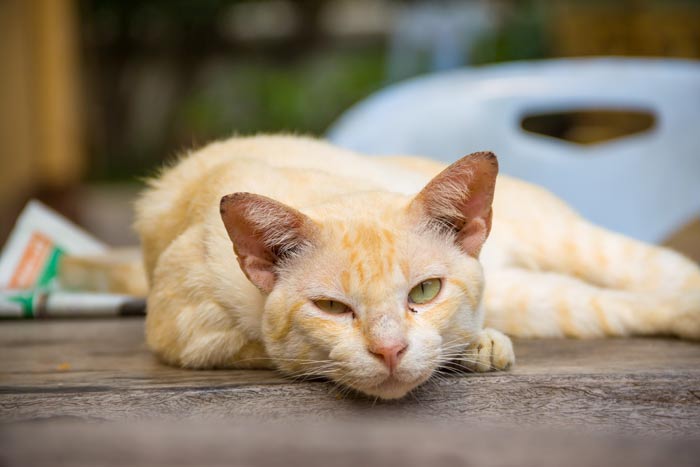
Caring for Your Aging Feline: The Ultimate Guide to Senior Cat Wellness
July 9, 2026 4:35 pmAs cats grow older, their healthcare needs change in ways that can be easy to miss. Many senior cats continue acting independently, which means subtle signs of illness often go unnoticed until a condition has progressed. For cat owners in Alexandria, staying proactive with senior wellness care can help your feline companion enjoy a happier, healthier life for years to come.
Quick Answer
Senior cats benefit from more frequent veterinary exams, regular diagnostic testing, age-appropriate nutrition, dental care, weight management, and close monitoring for changes in behavior or mobility. Early detection is one of the most effective ways to identify common age-related conditions before they significantly affect your cat’s quality of life.
What Local Readers Should Know
- Cats are generally considered seniors around age 10, although some age-related changes begin earlier.
- Annual wellness visits often become twice-yearly exams for senior cats to help detect health changes sooner.
- Alexandria’s seasonal temperature changes can affect older cats with arthritis or other chronic conditions.
- Indoor senior cats throughout Fairfax County still face age-related diseases that require routine monitoring.
- Small changes in appetite, grooming, litter box habits, or activity levels deserve prompt attention.
Why This Matters Locally
Senior cat wellness is especially important for pet owners throughout Alexandria, Kingstowne, Franconia, Springfield, Huntington, Rose Hill, and surrounding Northern Virginia communities. Many local cats spend most or all of their lives indoors, allowing them to live longer than ever before. While increased longevity is wonderful, it also means age-related conditions such as kidney disease, arthritis, diabetes, hyperthyroidism, and dental disease become more common.
At Kingstowne Cat Clinic, we focus exclusively on feline medicine, allowing us to recognize subtle changes that may indicate developing health concerns. As your cat ages, our goal is to help them remain comfortable, active, and engaged through every stage of life.
Local Data or Field Observations
According to the American Association of Feline Practitioners, regular wellness examinations become increasingly valuable as cats age because they naturally hide signs of illness. Professional veterinary experience also shows that many chronic diseases can be managed more successfully when identified during routine preventive visits rather than after symptoms become severe.
Local Impact
Senior cats often experience gradual health changes that families may mistakenly attribute to “just getting old.” In reality, many age-related conditions are treatable or manageable when diagnosed early.
For Alexandria pet owners, routine wellness care can help:
- Preserve mobility and comfort
- Maintain a healthy weight
- Detect chronic illnesses earlier
- Improve quality of life
- Reduce the likelihood of emergency medical situations
- Support longer, healthier lifespans
Warning Signs
Senior cats should be evaluated if you notice any of the following:
- Increased thirst or urination
- Weight loss despite a healthy appetite
- Reduced appetite
- Difficulty jumping onto furniture
- Changes in litter box habits
- Increased sleeping or hiding
- Bad breath or difficulty eating
- Matted or unkempt fur from reduced grooming
Even subtle changes deserve attention because cats naturally mask discomfort.
When to Call a Professional
Senior cats should receive routine wellness examinations even when they appear healthy. However, you should schedule an appointment promptly if your cat experiences:
- Sudden appetite loss
- Noticeable weight changes
- Vomiting that persists
- Difficulty walking
- Labored breathing
- Changes in drinking or urination
- Behavioral changes that last more than a day or two
Many serious feline illnesses develop gradually, making early evaluation especially valuable.
Common Local Causes of Senior Health Problems
Several factors commonly contribute to age-related health conditions.
Natural Aging
The aging process affects every organ system, increasing the likelihood of chronic diseases.
Arthritis
Joint degeneration is extremely common in older cats but often goes unnoticed because cats simply become less active rather than limping.
Kidney Disease
Chronic kidney disease is one of the most frequently diagnosed conditions in senior cats and often develops gradually over several years.
Dental Disease
Untreated dental disease can lead to pain, infection, decreased appetite, and systemic health concerns.
Endocrine Disorders
Conditions such as hyperthyroidism and diabetes become more common as cats reach their senior years.
Prevention and Maintenance
Although aging cannot be prevented, proactive care can significantly improve your cat’s comfort and health.
Helpful strategies include:
- Schedule veterinary exams every six months for senior cats.
- Follow recommended bloodwork and urine testing schedules.
- Feed a veterinarian-recommended senior diet when appropriate.
- Monitor body weight monthly.
- Encourage gentle daily activity through interactive play.
- Keep litter boxes easily accessible.
- Provide soft bedding in warm, quiet areas.
- Watch for subtle behavioral changes.
Avoid making major dietary changes without veterinary guidance, particularly if your cat has existing medical conditions.
Expected Results
Consistent senior wellness care helps identify developing conditions before they become advanced.
While aging cannot be reversed, proactive veterinary care often helps:
- Improve comfort
- Slow progression of chronic disease
- Maintain healthy body weight
- Support mobility
- Extend quality of life
- Reduce avoidable complications
Each cat ages differently, so individualized care plans provide the best long-term outcomes.
Common Mistakes
Mistake: Assuming slowing down is normal aging.
Consequence: Painful conditions like arthritis may go untreated.
Better approach: Have reduced activity evaluated during routine wellness exams.
Mistake: Waiting until obvious symptoms appear.
Consequence: Diseases may already be advanced.
Better approach: Schedule preventive screenings before problems become noticeable.
Mistake: Ignoring dental health.
Consequence: Dental disease can affect nutrition and overall health.
Better approach: Include oral health as part of routine senior care.
Mistake: Skipping routine laboratory testing.
Consequence: Internal diseases may remain hidden.
Better approach: Follow your veterinarian’s recommendations for senior diagnostic screening.
Common Local Scenario
A common situation we see involves an older indoor cat whose family believes they are simply “sleeping more because they’re older.” During a wellness examination, diagnostic testing may reveal an underlying condition such as kidney disease, hyperthyroidism, or arthritis. Early diagnosis often provides more treatment options and can greatly improve the cat’s comfort.
Related Service Solutions
Senior feline wellness often includes:
- Comprehensive wellness examinations
- Bloodwork and laboratory screening
- Urinalysis
- Blood pressure evaluation
- Dental assessments
- Nutritional counseling
- Arthritis management
- Chronic disease monitoring
- Weight management
- Individualized preventive care plans
Comparing Your Options
| Option | Advantages | Limitations |
|---|---|---|
| Home monitoring only | Helps identify obvious changes | Many illnesses remain hidden |
| Annual wellness visits | Provides preventive care | May not detect rapidly developing conditions early enough for some seniors |
| Twice-yearly senior wellness visits | Allows earlier detection and ongoing monitoring | Requires more frequent appointments but often supports better long-term management |
Service Areas
We proudly care for cats throughout Alexandria, Kingstowne, Franconia, Springfield, Huntington, Rose Hill, Fort Belvoir, and surrounding Fairfax County communities. Our feline-exclusive focus allows us to provide care tailored specifically to the unique needs of cats at every stage of life.
Cost of Ignoring the Issue
Delaying senior wellness care can allow manageable health conditions to progress into more serious illnesses. Earlier diagnosis often means more treatment options, better comfort, and improved long-term quality of life for your cat.
Frequently Asked Questions
At what age is a cat considered a senior?
Most veterinarians consider cats seniors around 10 years of age. Individual cats age differently, so your veterinarian can recommend an appropriate wellness schedule based on your cat’s overall health.
How often should senior cats visit a veterinarian in Alexandria?
Senior cats generally benefit from wellness examinations every six months. More frequent visits allow veterinarians to monitor subtle changes that may indicate developing health conditions.
What diseases are most common in older cats?
Chronic kidney disease, arthritis, hyperthyroidism, diabetes, dental disease, hypertension, and certain cancers become more common as cats age. Routine screening helps detect many of these conditions earlier.
Does my indoor cat in Fairfax County still need regular senior wellness exams?
Yes. Indoor cats often live longer than outdoor cats, making preventive healthcare even more important as they age. Many age-related illnesses develop regardless of lifestyle.
Why is bloodwork recommended for senior cats?
Routine bloodwork helps detect diseases before obvious symptoms appear. Many chronic conditions respond better to treatment when identified early.
How can I tell if my senior cat has arthritis?
Cats with arthritis often jump less, hesitate before climbing stairs, sleep more, groom less, or become less interested in play. Because cats rarely limp, these subtle changes are important to discuss with your veterinarian.
Can nutrition improve senior cat health?
Yes. Appropriate nutrition supports healthy aging, although dietary recommendations vary depending on your cat’s overall health and any existing medical conditions.
Are behavioral changes normal in older cats living in Alexandria?
Some behavioral changes occur with aging, but significant changes in activity, appetite, litter box habits, or personality should always be evaluated to rule out underlying medical issues.
Closing
Growing older does not have to mean losing quality of life. With regular wellness care, early disease detection, and personalized medical guidance, many senior cats continue to enjoy active, comfortable lives well into their golden years. Working closely with your veterinarian helps ensure your feline companion receives the care they need as they age.
Help Your Senior Cat Enjoy Their Golden Years
Our feline-focused team is here to provide compassionate, individualized care for every stage of your cat’s life. Contact us today to schedule your senior cat’s wellness examination and take the next step toward lifelong health.
Categorised in: Cat Health
This post was written by admin