
5 Subtle Signs Your Cat Might Be Hiding a Health Issue
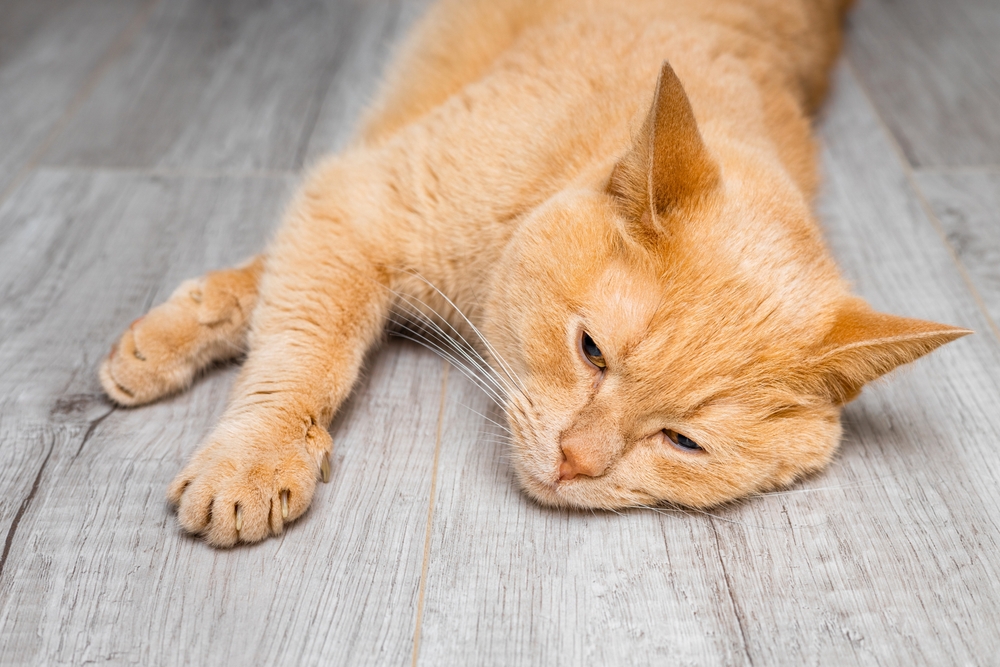
May 10, 2026 4:24 pmWhile dogs tend to wear their emotions and discomfort on their sleeve, cats have evolved to conceal vulnerability with remarkable skill. In the wild, showing weakness can make an animal a target for predators, and even our pampered house cats carry this instinct deep in their DNA. The result is that many cat owners are caught off guard when a seemingly healthy feline is suddenly diagnosed with a serious condition. Learning to read the subtle signals your cat sends can make all the difference in catching health problems early, before they become harder to treat and more expensive to manage.
Whether you are a first-time cat parent or a seasoned owner with decades of experience, these five signs are easy to overlook but important to recognize.
1. Changes in Grooming Habits
A cat that suddenly stops grooming itself, or one that begins grooming obsessively, is telling you something. Healthy cats typically spend a significant portion of their day keeping their coats clean and neat. When that behavior shifts, it is often one of the earliest signs of cat illness that owners dismiss as a personality quirk.
Over-grooming, especially in localized spots, can point to skin conditions, allergies, parasites, or even anxiety. Under-grooming, on the other hand, is frequently linked to pain. A cat suffering from arthritis in cats, for example, may stop cleaning hard-to-reach areas like the base of the tail or lower back simply because bending into those positions hurts. You might notice the coat looking dull, matted, or greasy in patches. This is not laziness; it is your cat communicating that movement is uncomfortable.
Senior cats are especially prone to this shift. As part of any responsible senior cat wellness plan, monitoring grooming behavior gives you a reliable window into how your cat is feeling physically. If your older cat used to be immaculately kept and now appears unkempt, a veterinary visit is absolutely warranted.
2. Subtle Shifts in Eating or Drinking Behavior
Food is a powerful health indicator in cats. A cat that begins eating noticeably less, picking at food without finishing it, or dropping pieces from its mouth may be struggling with feline dental care issues. Dental disease is one of the most common and commonly missed health problems in domestic cats. Tooth resorption, gum inflammation, and abscesses can make chewing incredibly painful, yet cats will often continue attempting to eat rather than drawing attention to the problem.
Conversely, a sudden increase in appetite paired with weight loss can signal hyperthyroidism or diabetes, two conditions that become increasingly common as cats age. Increased water consumption is another flag. If you are refilling the water bowl more often or noticing your cat drinking from unusual sources like the faucet or toilet, this warrants attention. Increased thirst is a classic symptom of kidney disease and diabetes, both of which are manageable when caught early.
Keep a loose mental log of your cat’s eating and drinking patterns. You do not need to measure every meal, but you should have a general sense of what is normal for your individual cat so that deviations stand out.
3. Litter Box Changes You Should Never Ignore
The litter box is one of the most valuable diagnostic tools a cat owner has, yet it is also one of the least glamorous topics to think about. Changes in frequency, consistency, smell, or location of elimination can all be early signs of cat illness.
Straining in the litter box, particularly in male cats, can indicate a urinary blockage, which is a life-threatening emergency. Blood in the urine or stool should never be ignored. A cat that begins eliminating outside the box after years of reliable litter use is not acting out of spite; this behavior almost always has a physical cause. Painful urination, gastrointestinal discomfort, or difficulty getting in and out of the box due to arthritis in cats can all prompt a cat to avoid the box entirely.
For senior cats, mobility plays a big role here. If the litter box has high sides or is located somewhere requiring climbing, a cat with joint pain may simply choose the nearest flat surface. Transitioning to a low-entry box and placing it on the same floor where the cat spends most of its time can help, but the underlying condition still needs to be addressed by a veterinarian.
4. Behavioral and Personality Changes
This is perhaps the most overlooked category of all. When a typically social cat becomes withdrawn, or when a previously calm cat starts acting irritable or aggressive, owners often chalk it up to mood. In reality, a personality shift is one of the more telling signs of cat illness.
Pain tends to make cats withdraw. They may stop jumping onto favorite perches, avoid interaction with family members, or spend long hours hiding in closets or under furniture. Cognitive decline, which can affect senior cats similarly to how dementia affects humans, can cause confusion, increased vocalization at night, and apparent disorientation. These behavioral shifts are not behavioral problems; they are symptoms.
Arthritis in cats is a particularly sneaky culprit. Because cats tend to move carefully and quietly, early-stage joint disease can look like simple slowing down. An owner might assume their ten-year-old cat is just becoming less playful, not realizing that jumping has become painful. Watch for hesitation before jumping, stiffness after rest, or reluctance to use the stairs. A senior cat wellness evaluation that includes joint assessment can identify this before it significantly reduces your cat’s quality of life.
Feline dental care problems can also drive behavioral changes. A cat with chronic oral pain may become less affectionate, resist being touched near the face, or stop playing with toys that require biting. Regular dental evaluations are not just about fresh breath; they are a critical piece of whole-body health.
5. Weight Changes That Seem Gradual
Cats tend to lose or gain weight slowly enough that owners who see them every day often miss the change entirely. By the time a weight problem becomes visually obvious, it may have been progressing for months. This is why hands-on assessment matters. Run your hands along your cat’s sides; you should be able to feel the ribs without pressing hard, but they should not be protruding sharply. A spine that feels like a row of sharp ridges, or hip bones that jut out noticeably, suggests weight loss that deserves investigation.
Obesity is equally dangerous and increasingly common in indoor cats. Extra weight accelerates joint degeneration, contributes to diabetes, and strains the cardiovascular system. Because the weight gain happens slowly, it is easy to normalize. Scheduling annual or semi-annual weigh-ins at the vet, even outside of illness, gives you a documented baseline so that trends are caught early.
For cats in the double-digit age range, weight monitoring becomes an even more central part of senior cat wellness. Many age-related conditions, including kidney disease, hyperthyroidism, and cancer, announce themselves first through unexplained weight changes.
Conclusion
Cats are private creatures by nature, and their instinct to conceal discomfort can make caring for them feel like detective work. The good news is that once you know what to look for, the signs become easier to spot. Changes in grooming, eating, litter box habits, behavior, and body weight are your cat’s way of communicating that something is off. Staying attuned to your individual cat’s normal patterns, and partnering with a veterinarian for regular checkups, gives you the best chance of catching health issues early. Your cat cannot tell you when something hurts, but with a little observation and a proactive mindset, you can learn to listen anyway.
Need a Cat Veterinarian in Alexandria, VA?
Welcome to Kingstowne Cat Clinic! Kingstowne Cat Clinic is a locally owned, community focused cat clinic. We specialize in giving your feline friend the care they need. We offer wellness exams, surgery, dentistry, vaccinations, and acupuncture. We also provide sedated grooming and at home euthanasia. Kingstowne Cat Clinic is dedicated to providing quality medical and surgical care for all cats. Contact us today for an appointment!
Categorised in: Cat Health, Cat Veterinarian
This post was written by admin