
Spotting the Signs: When Your Cat Needs Dental Care
May 3, 2026 5:34 pmCats are masters of disguise when it comes to hiding discomfort. Unlike dogs, who might whimper or limp when something is wrong, cats tend to quietly endure pain, making it especially difficult for owners to recognize when something is off. Dental problems are among the most common and most overlooked health issues in cats, yet they can cause serious suffering and lead to significant health complications if left untreated. For cat owners in Alexandria, VA, understanding the early signs of dental trouble could make all the difference in your pet’s quality of life.
Cat dental care is not just about keeping your pet’s breath fresh. It is about protecting their overall health. Studies show that by the age of three, the majority of cats already show some signs of dental disease. That number only grows as cats age. The good news is that with regular veterinary attention and a watchful eye at home, feline dental disease is both preventable and treatable.
The Hidden World of Feline Dental Disease
Feline dental disease is an umbrella term that covers a range of conditions, from mild gingivitis to severe periodontitis and tooth resorption. Tooth resorption, in particular, is a painful condition unique to cats in which the tooth structure begins to break down from the inside out. It affects an estimated 30 to 70 percent of adult cats and is one of the leading reasons for tooth extraction in felines.
Gingivitis, the earliest stage of gum disease, involves inflammation of the gum tissue surrounding the teeth. At this stage, the condition is still reversible with proper care. If left unaddressed, however, gingivitis can progress into periodontitis, a more serious infection that damages the tissues and bone supporting the teeth. Once periodontitis sets in, the damage is largely permanent and can lead to tooth loss, jaw infections, and bacteria entering the bloodstream.
What makes feline dental disease symptoms particularly tricky is that many cats continue eating normally even when they are in significant pain. Their survival instincts drive them to keep eating regardless of discomfort, which means that by the time a cat shows obvious signs of oral distress, the disease may already be advanced.
Feline Dental Disease Symptoms You Should Never Ignore
Knowing what to look for is the first step in protecting your cat. There are several feline dental disease symptoms that should prompt a visit to your veterinarian as soon as possible.
Bad breath is often the first sign that something is wrong inside your cat’s mouth. While cat breath is never exactly minty fresh, an unusually foul or fishy odor can indicate a buildup of bacteria, infection, or decay. This is not something to simply dismiss as normal.
Drooling more than usual is another red flag. Cats are not typically heavy droolers, so if you notice your cat leaving wet spots where they rest or see saliva dripping from their mouth, oral pain or infection may be to blame.
Watch how your cat eats. A cat that suddenly drops food from its mouth, chews only on one side, eats more slowly than usual, or shows a decreased interest in food may be experiencing dental pain. Similarly, if your cat begins avoiding hard kibble or crunchy treats they once loved, that behavioral shift deserves attention.
Pawing at the mouth or face is a strong indicator of oral discomfort. Cats in pain from a bad tooth or infected gum may repeatedly paw at their cheeks or rub their faces against furniture in an attempt to relieve the pressure.
Visible changes in the mouth itself are also warning signs. Red, swollen, or bleeding gums, yellow or brown buildup along the gumline, loose or missing teeth, and visible sores on the gums or tongue all point to dental problems that require professional evaluation. If you can safely get a look inside your cat’s mouth, a healthy set of feline teeth should be white to slightly off-white with pink, firm gum tissue.
Do not overlook behavioral changes, either. A cat that becomes suddenly withdrawn, irritable, or reluctant to be touched around the head and face may simply be in pain. Dental disease can affect a cat’s mood and personality in subtle but telling ways.
Why Professional Cat Dental Care Is Non-Negotiable
Home observation is valuable, but it is no substitute for professional veterinary dental care. A veterinarian can assess areas of your cat’s mouth that are impossible to examine at home, use dental X-rays to evaluate tooth roots and bone loss below the gumline, and perform cleanings under anesthesia that remove tartar and bacteria from areas no toothbrush can reach.
Many cat owners feel hesitant about anesthesia, and that concern is understandable. However, anesthesia-free dental cleanings are widely considered inadequate by veterinary dental specialists because they only address surface-level tartar without treating the root causes of disease. A proper professional cleaning requires full anesthesia for both the safety of the cat and the thoroughness of the procedure.
For cat owners searching for the best cat vet in Kingstowne or the broader Alexandria, VA area, it is worth looking for a veterinary practice that offers comprehensive dental services, including digital dental radiography and thorough pre-anesthetic bloodwork. These features are strong indicators of a high-quality, safety-conscious practice.
The frequency of professional dental cleanings will vary depending on your individual cat. Some cats may need annual cleanings, while others, particularly those prone to rapid tartar buildup, may need them more often. Your vet can help you establish an appropriate schedule based on your cat’s specific history and needs.
Preventive Cat Dental Care at Home
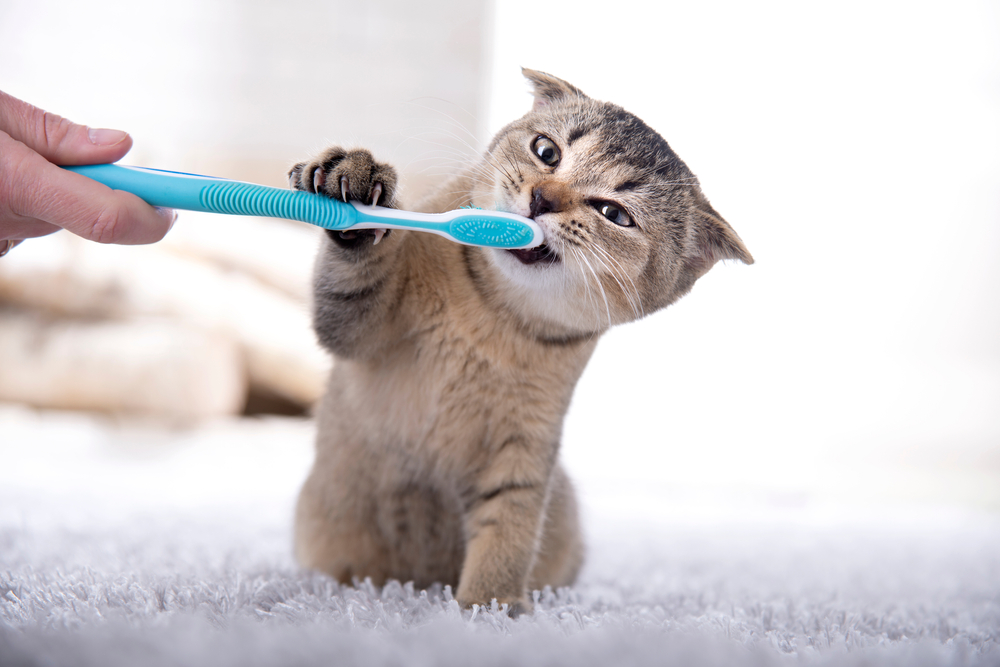
Between veterinary visits, there is quite a bit you can do to support your cat’s oral health at home. Daily tooth brushing is considered the gold standard in preventive cat dental care. It sounds ambitious, and for many cat owners it genuinely is, but even brushing a few times per week can significantly reduce plaque accumulation. Always use toothpaste formulated specifically for cats, as human toothpaste contains ingredients that are toxic to felines.
If your cat is not a candidate for tooth brushing, there are alternatives. Dental treats and diets approved by the Veterinary Oral Health Council (VOHC) have been clinically tested to reduce plaque and tartar. Dental rinses and water additives are also available and can offer modest benefits when used consistently.
Starting dental habits early in a cat’s life makes a significant difference. Kittens who are introduced to tooth brushing and mouth handling from a young age tend to be far more cooperative as adults. If you have an older cat, introducing these habits slowly and with patience can still yield positive results over time.
For cat owners in Alexandria, VA, working with a knowledgeable local vet who can provide tailored guidance on home care products and techniques is one of the most valuable steps you can take for your pet’s long-term health.
Conclusion
Cats are remarkably good at hiding dental pain, which places the responsibility of vigilance squarely on the shoulders of their owners. By learning to recognize the symptoms of feline dental disease, committing to regular professional care, and building a consistent home dental routine, you give your cat the best possible chance at a comfortable, healthy life. Whether you are searching for the best cat vet in Kingstowne or simply trying to understand what cat dental care really involves, the most important step is the first one: paying attention. Your cat cannot tell you when something hurts, but with the right knowledge, you can learn to listen anyway.
Need a Cat Veterinarian in Alexandria, VA?
Welcome to Kingstowne Cat Clinic! Kingstowne Cat Clinic is a locally owned, community focused cat clinic. We specialize in giving your feline friend the care they need. We offer wellness exams, surgery, dentistry, vaccinations, and acupuncture. We also provide sedated grooming and at home euthanasia. Kingstowne Cat Clinic is dedicated to providing quality medical and surgical care for all cats. Contact us today for an appointment!
Categorised in: dental
This post was written by admin