
Local Hazards: Common Plants in Old Town Gardens That Are Toxic to Your Cat
March 2, 2026 8:38 pm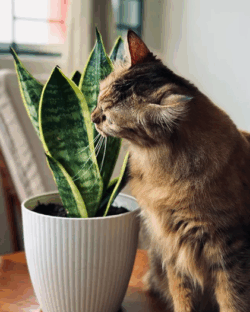
Strolling through Old Town Alexandria in the spring is a sensory experience. Brick sidewalks framed with overflowing window boxes. Historic row homes accented with climbing ivy. Courtyard gardens bursting with azaleas and seasonal blooms. For many residents, tending these green spaces is a source of pride and joy.
However, for cat owners, that beauty can hide unexpected danger.
Whether you are a long-time gardener in a historic neighborhood or a young professional setting up your first patio garden, it is important to understand which toxic garden plants for cats in Alexandria, VA may be closer than you think. Cats are naturally curious. They chew leaves, bat at dangling vines, and rub against foliage. Even indoor bouquets brought home from the farmers market can pose risks.
At Kingstowne Cat Clinic, part of our preventative care philosophy is helping Alexandria cat parents recognize local plant hazards before they become emergencies. Our team’s deep familiarity with Northern Virginia flora allows us to provide guidance tailored specifically to this community.
The Hidden Dangers in Old Town’s Classic Gardens
Old Town gardens often reflect the area’s colonial charm and traditional landscaping styles. Unfortunately, many of the plants commonly found in these spaces are toxic to cats.
Azaleas, for example, are popular throughout Northern Virginia. Their vibrant blooms make them a favorite in brick-lined courtyards and front yard beds. Yet even small amounts of azalea leaves can cause vomiting, drooling, weakness, and more severe cardiac effects in cats.
English Ivy is another frequent sight along historic facades and wrought-iron fences. While it adds a timeless aesthetic, ingestion can lead to gastrointestinal upset and irritation. Sago palms, though less common in outdoor beds, are sometimes used as decorative patio plants or indoor accents. These are particularly dangerous, as every part of the plant is toxic and can cause liver failure.
For indoor and outdoor cat owners in Alexandria, it only takes a single nibble for symptoms to begin. First-time cat owners are often shocked to learn that plants they have admired for years pose such serious risks.
Understanding toxic garden plants for cats in Alexandria, VA requires more than a generic online list. It requires knowledge of what actually grows here, in this climate and these neighborhoods.
Indoor Bouquets and Window Boxes: Small Spaces, Big Risks
Not all plant toxicity cases begin in large gardens. In Old Town’s charming row houses, many residents maintain window boxes, balcony planters, or small indoor herb gardens. These compact green spaces feel manageable, but they can still harbor harmful species.
Lilies are one of the most dangerous examples. Frequently included in floral arrangements, even minimal exposure can cause acute kidney failure in cats. Pollen brushed onto fur and later ingested during grooming can be enough to trigger toxicity.
Tulips and daffodils, common in spring window displays, contain compounds that can cause vomiting and neurological symptoms. Even common houseplants like pothos or philodendron can irritate the mouth and digestive tract.
New homeowners and renters who are designing cozy indoor-outdoor spaces may not realize the risk. Cats do not distinguish between a decorative plant and a safe snack. If leaves dangle within reach, they may investigate.
At Kingstowne Cat Clinic, we often discuss plant safety during wellness visits. Our Cat-Safe Gardening Guides are designed specifically for Northern Virginia residents. We provide alternatives that maintain the beauty of your space while protecting your feline family member.
Recognizing the Signs of Plant Toxicity
Despite careful planning, accidents can happen. A cat may sneak outside into a neighbor’s garden or chew on a bouquet before you notice. Recognizing symptoms early can make a significant difference in outcomes.
Common signs of plant toxicity include drooling, vomiting, diarrhea, lethargy, and loss of appetite. In more serious cases, you may observe tremors, difficulty breathing, or changes in heart rate. With highly toxic plants such as lilies or sago palms, symptoms can escalate quickly.
Feline toxicology expertise is critical in these situations. At Kingstowne Cat Clinic, our team is trained to quickly assess and stabilize cats exposed to plant toxins. We utilize specialized diagnostic protocols to determine the type and severity of exposure. When appropriate, we perform bloodwork and other laboratory tests to evaluate organ function.
Because we are a feline-only practice, our diagnostic equipment and treatment protocols are tailored specifically to cats. Subtle changes in blood chemistry that might be overlooked in a general practice are carefully evaluated here.
Prompt treatment can significantly improve outcomes. If you suspect your cat has ingested a toxic plant, contacting a veterinary professional immediately is essential.
A Preventative Approach to Pet-Safe Gardening
At Kingstowne Cat Clinic, we believe prevention is the most powerful form of care. Our role extends beyond treating emergencies. We strive to educate Alexandria’s cat owners before problems occur.
During routine exams, we invite conversations about your home environment. If you mention an upcoming landscaping project or indoor renovation, we can offer guidance on safe plant choices. Our Cat-Safe Gardening Guides highlight species that thrive in Northern Virginia’s climate while posing minimal risk to cats.
For Old Town gardeners who value heirloom plants and traditional aesthetics, we help identify safer substitutions that maintain the charm of your historic property. For new homeowners setting up their first green space, we provide practical advice on placement and plant selection.
Indoor and outdoor cat owners benefit from learning about supervision strategies and environmental enrichment alternatives. Providing safe grasses or designated plant areas can reduce curiosity about more hazardous greenery.
This proactive education reflects our broader commitment to preventative feline healthcare. By understanding the local botanical landscape, we empower cat parents to make informed choices.
Connected Care When Emergencies Happen
Even with the best precautions, plant ingestion emergencies can occur outside normal business hours. While Kingstowne Cat Clinic provides specialized feline care during regular hours, we are deeply connected with trusted 24-hour emergency hospitals in the Alexandria area.
If your cat experiences a plant-related crisis at night or on a weekend, you will never be left searching blindly for help. We maintain strong referral relationships to ensure seamless communication and continuity of care. Once your cat is stabilized, we coordinate follow-up treatment and monitoring.
This networked approach offers reassurance to busy Alexandria professionals who value responsiveness and expertise. Knowing that your feline-only clinic has established pathways for after-hours emergencies means you are never alone in a crisis.
For first-time cat owners, this safety net provides additional confidence. Navigating pet ownership involves a learning curve, and access to knowledgeable support makes that journey less intimidating.
Old Town Alexandria’s gardens are part of what makes the community so special. With thoughtful planning and informed choices, you can preserve their beauty while safeguarding your cat’s health. Understanding toxic garden plants for cats in Alexandria, VA is not about limiting your creativity. It is about aligning your love of greenery with responsible pet ownership.
At Kingstowne Cat Clinic, we are proud to combine local botanical knowledge with feline toxicology expertise and compassionate care. Whether through preventative consultations or urgent treatment, our mission is to keep Alexandria’s cats safe, healthy, and thriving in the heart of this historic city.
Categorised in: Cat Clinic, Cat Health
This post was written by admin