
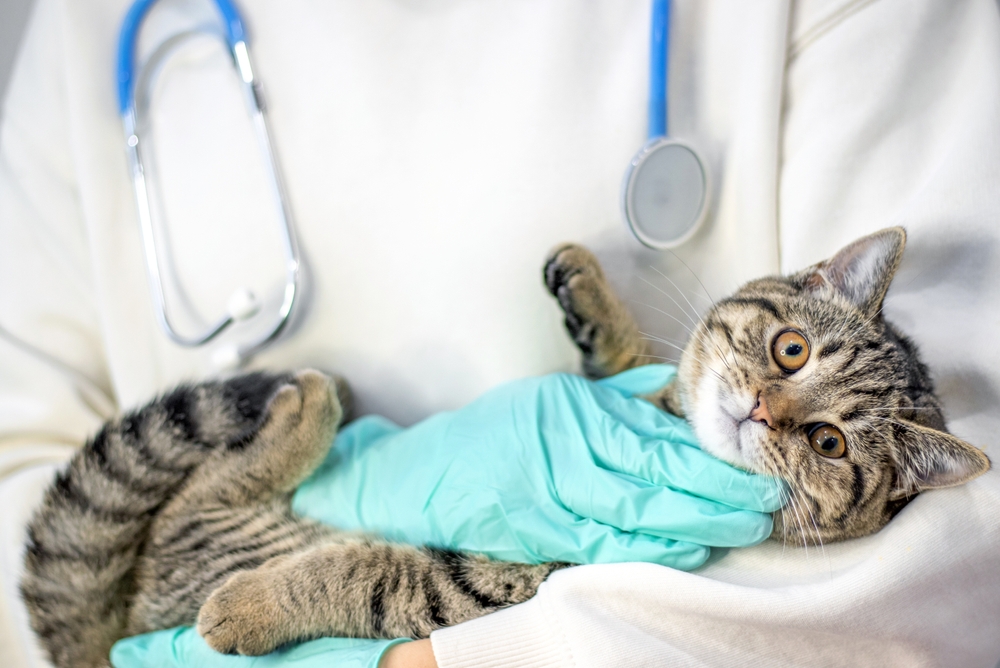
Why Your Cat’s Annual Wellness Exam is More Important Than You Think
December 25, 2025 2:31 pmCats are masters of concealment. In the wild, displaying signs of weakness can mark an animal as easy prey, and our domestic companions have inherited that same survival instinct. This means that many cats can develop significant health issues without showing any obvious signs until the condition is advanced. For pet owners, this silent suffering can be heartbreaking, especially when it feels like the illness came out of nowhere. This is one of the most compelling reasons why a cat’s annual wellness exam is so crucial.
During an exam, a veterinarian can identify subtle physical changes, such as weight fluctuations, heart murmurs, dental issues, or changes in organ size that might go unnoticed at home. Routine bloodwork and urine analysis can detect internal conditions such as kidney disease, hyperthyroidism, diabetes, and infections, sometimes years before symptoms arise. Early detection not only gives your cat a better prognosis but can also mean more effective treatment options and lower long-term costs.
Cats often adjust their behavior to mask pain, making it difficult for even the most observant owner to catch early signs of illness. A cat who seems a bit quieter than usual or is sleeping more might be battling an underlying condition. Annual exams, therefore, provide a vital window for veterinarians to intervene early and give your feline the best chance at a long, healthy life.
Cats Age Faster Than You Think
Cats age more rapidly than humans. A one-year-old cat is comparable to a 15-year-old teenager in human years, and by the time your cat reaches their second birthday, they’re already the equivalent of a young adult. After that, each calendar year represents about four human years. This accelerated aging means that skipping even one annual checkup is akin to a human skipping a doctor’s visit for several years.
As cats grow older, they become more susceptible to chronic diseases, including arthritis, dental disease, high blood pressure, and cancer. These age-related issues often develop gradually, and regular veterinary exams allow for close monitoring over time. Trends in weight, blood pressure, and lab values help establish a baseline and alert the veterinarian when something begins to veer off course.
Wellness exams are also an opportunity to discuss age-appropriate care, such as changes in diet, exercise routines, and environmental enrichment. From kittenhood through the golden years, each stage of your cat’s life has unique needs. Annual exams ensure that your cat’s care plan evolves appropriately, giving them the best quality of life at every age.
Preventative Care Saves Lives and Money
Preventative care is more than just vaccines. It encompasses everything from parasite control and dental hygiene to weight management and behavioral assessments. Cats are notorious for developing dental disease, with studies showing that by age three, most cats already have signs of gingivitis or periodontal issues. Left unchecked, dental disease can lead to pain, tooth loss, and even infections that spread to other organs.
Fleas, ticks, and intestinal parasites may also pose threats to your cat’s health, even indoor cats are not completely safe. Regular deworming, flea prevention, and fecal testing are all essential components of feline wellness. Furthermore, weight issues are a growing concern. Obesity in cats can lead to diabetes, joint problems, and a decreased life expectancy. Your veterinarian can assess your cat’s body condition and make recommendations to maintain a healthy weight.
Financially, the benefits of preventative care are significant. Catching a disease early often means less aggressive (and less costly) treatment. It can help avoid emergency visits, hospitalization, or expensive medications required once a condition has advanced. Wellness exams are a modest investment compared to the potential cost of managing chronic disease down the line.
The Unique Advantage of a Cats-Only Veterinary Clinic
Cats have unique behavioral and physiological needs, which is why many pet owners are discovering the benefits of a cats-only veterinary clinic. These specialized practices are designed from the ground up to cater exclusively to felines, creating a calmer and more focused environment for both the pet and the practitioner.
A cats-only clinic eliminates the stress of barking dogs, unfamiliar smells, and chaotic waiting rooms that can make a trip to the vet traumatic for your cat. Many such clinics incorporate feline-friendly handling techniques, soft lighting, and soothing sounds to make the visit less intimidating. These subtle changes can make a big difference in the way a cat reacts to veterinary care, often leading to more accurate exams and less anxiety during future visits.
Veterinarians and staff at cats-only practices are often highly experienced in feline medicine, giving them deeper insight into complex conditions that might be overlooked in a general practice. Whether it’s chronic kidney disease, feline asthma, or stress-related urinary issues, these specialists are more attuned to the nuances of feline health and behavior. Their singular focus means your cat benefits from care tailored to their specific needs, which can be especially valuable during annual wellness exams.
Strengthening the Human-Animal Bond
Regular wellness exams also serve to deepen the bond between you and your cat. These appointments provide a dedicated time to ask questions, learn more about feline health, and understand your cat’s behaviors. You can discuss everything from nutrition and grooming to litter box habits and socialization. Understanding your cat more thoroughly enhances your ability to care for them and strengthens the trust between you.
Moreover, taking your cat to the vet annually builds familiarity and routine. Cats thrive on consistency, and regular visits help normalize the experience. Over time, your cat may begin to associate the vet with a predictable, non-threatening event, especially if positive reinforcement is used. A positive veterinary relationship also makes it easier to address health concerns quickly when they do arise, as your cat will already be comfortable with the clinic and the staff.
Annual wellness exams show your cat that their health and comfort matter. They aren’t just a pet; they’re a companion, a family member, and a cherished part of your daily life. Making time for their annual checkup is a simple yet powerful act of love and responsibility.
Conclusion
Your cat’s annual wellness exam is far more than a quick once-over. It is a comprehensive health assessment, a preventive strategy, and an opportunity to build a foundation of care that can sustain your cat throughout their life. From detecting hidden illnesses early to providing age-appropriate care and behavioral insights, these exams are essential to ensuring your feline friend thrives.
Choosing the right environment for that care matters too. The benefits of a cats-only veterinary clinic include reduced stress, specialized expertise, and a setting designed with your cat in mind. By committing to annual checkups in a feline-focused clinic, you are making a meaningful investment in your cat’s health and happiness.
Caring for a cat is a privilege and a joy. Their affection, independence, and quiet companionship bring comfort and meaning to our lives. An annual wellness exam is one of the most important ways you can return that love. Prioritize it and give your cat the long, healthy life they deserve.
Need a Cat Veterinarian in Alexandria, VA?
Welcome to Kingstowne Cat Clinic! Kingstowne Cat Clinic is a locally owned, community focused cat clinic. We specialize in giving your feline friend the care they need. We offer wellness exams, surgery, dentistry, vaccinations, and acupuncture. We also provide sedated grooming and at home euthanasia. Kingstowne Cat Clinic is dedicated to providing quality medical and surgical care for all cats. Contact us today for an appointment!
Categorised in: Cat Health, Wellness Exams
This post was written by admin