
A Stress-Free Season: Tips for Hosting Holiday Guests Without Scaring Your Cat
December 25, 2025 2:31 pmThe holidays bring a flurry of excitement, festive decorations, and the joy of spending time with loved ones. While many people thrive on the hustle and bustle of the season, feline companions often don’t share that enthusiasm. Hosting guests, throwing holiday parties, or rearranging furniture to make space for visitors can be disorienting and stressful for cats. Their world is rooted in routine, and sudden changes, especially involving new people, loud noises, and unfamiliar smells, can cause anxiety.
If you’re wondering how to reduce cat anxiety during holiday parties, the good news is that it’s absolutely possible to create a warm, celebratory environment without unsettling your pet. The key is to plan ahead, pay close attention to your cat’s behavior, and make small but meaningful adjustments that help them feel safe. With the right approach, you can welcome guests into your home while keeping your cat calm, content, and confident.
Understanding Your Cat’s Triggers
To ease your cat into the holiday season, it helps to first understand what typically causes them distress. Cats are sensitive creatures with finely tuned senses. Even the most social cats can become overwhelmed when exposed to excessive noise, strangers, or sudden movement. The sound of laughter, the clinking of glasses, unfamiliar perfumes, or even the sudden flash of a camera can all be unsettling.
Cats also dislike disruptions to their space. A cat’s territory is sacred and includes favorite napping spots, scratching posts, and hidden nooks where they retreat when they need solitude. When you invite guests over or host a party, these safe areas may become compromised. Your cat might not recognize the rearranged living room or feel unsure about the unfamiliar smells lingering on furniture and clothing.
If your cat has had previous negative experiences with houseguests, the anticipation alone can trigger anxiety. Signs of stress include hiding for long periods, refusing food, vocalizing more than usual, overgrooming, or changes in litter box habits. Recognizing these behaviors early gives you the chance to intervene before their anxiety becomes more intense.
Preparing Your Home Before Guests Arrive
One of the most effective ways to reduce stress is to prepare both your home and your cat before any visitors arrive. Start by establishing a quiet, cozy retreat where your cat can observe the activity from a distance or avoid it completely. Choose a room that won’t experience much foot traffic, such as a home office or guest bedroom, and furnish it with their favorite blanket, toys, litter box, food, and water. If your cat has a preferred scratching post or perch, include it in this room to provide additional comfort.
This room should feel like a sanctuary, not a place of confinement. Begin acclimating your cat to it several days before the event. Spend time in the space with them, offer treats, and keep the atmosphere calm and predictable. By the time your guests arrive, your cat will see the room as a familiar and secure retreat rather than a new and confusing environment.
Pheromone diffusers or sprays made specifically to reduce feline stress can also help. These products mimic natural facial pheromones that cats use to mark areas as safe and familiar. Place one in the designated retreat room or in common areas where your cat might wander during quieter moments. Many cat owners find that these subtle additions have a noticeable calming effect.
Managing Guest Interactions Thoughtfully
Even well-meaning guests can unintentionally upset your cat. Children may try to chase or hold them, while adults might approach too quickly or make prolonged eye contact, which cats interpret as a threat. Let your guests know ahead of time that your cat may be shy or prefers space, and kindly encourage them to let the animal make the first move.
A polite sign on the retreat room door can help remind guests not to enter or disturb your cat. If someone expresses interest in meeting your pet, offer guidance for a calm and gentle approach: sitting quietly, extending a hand for your cat to sniff, and avoiding sudden movements. These steps can help your cat feel more in control and less threatened.
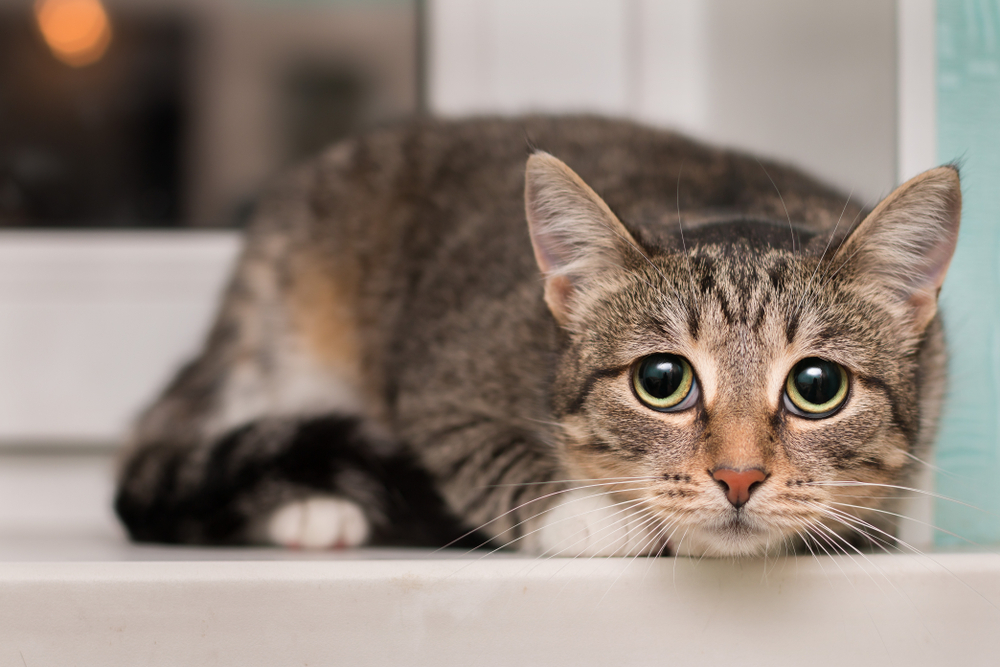
If your cat does venture out during the festivities, keep an eye on their body language. Flattened ears, a tucked tail, or wide, dilated pupils are signals that they’re feeling uneasy. In those cases, gently redirect them to their safe space and give them time to settle. Avoid forcing them to interact. Instead, give them the freedom to decide how much socializing they can handle.
Creating a Peaceful Atmosphere During the Party
Several subtle changes to your holiday gathering can help maintain peace for your feline friend. Lowering the volume of music, keeping windows and doors closed, and ensuring that food and drinks are kept out of reach all contribute to a more relaxed and safe environment. If you plan to light candles or use room sprays, choose unscented or pet-safe products, since strong scents can overwhelm a cat’s sensitive nose.
Maintaining your cat’s regular schedule on the day of the event is equally important. Feed them at their usual times, continue with daily play sessions, and offer plenty of opportunities for rest. Familiar routines serve as a comforting anchor when everything else seems to be changing around them.
For parties that extend into the evening or involve overnight guests, continue checking in with your cat. Ensure their litter box remains clean, fresh water is available, and that their retreat room is still peaceful. These small acts of consistency remind your cat that they are safe and loved, no matter what else is going on.
After the Guests Leave: Supporting Your Cat’s Recovery
Once the final guest has left, your cat might still need time to recover. It’s not unusual for cats to stay hidden or behave cautiously for hours or even days after a busy event. Allow your pet to rejoin the household on their own schedule. Provide quiet companionship if they seek it, and reestablish their normal routine as quickly as possible.
Slowly reintroduce your cat to rooms that may have been off-limits or rearranged during the gathering. Walk through the house together and let them investigate new scents or changes at their own pace. Offer treats or praise to encourage a positive response and reward their curiosity.
Reflecting on your cat’s reactions during the event can help you prepare for future gatherings. Consider what seemed to stress them the most and what made them feel more relaxed. With each experience, you’ll become more skilled at recognizing your cat’s needs and finding new ways to meet them.
Conclusion
Cats may not appreciate the festivities of the holiday season in the same way people do, but that doesn’t mean you have to choose between hosting guests and protecting your pet’s well-being. With some foresight and thoughtful planning, you can enjoy meaningful holiday celebrations while also caring for your cat’s comfort and emotional health.
Understanding how to reduce cat anxiety during holiday parties puts you in a stronger position to support your feline friend. By creating safe spaces, guiding guest interactions, and maintaining your cat’s routine, you build trust and security even in the midst of chaos. In doing so, you create a home where everyone feels welcome, including your most sensitive four-legged family member.
Need a Cat Veterinarian in Alexandria, VA?
Welcome to Kingstowne Cat Clinic! Kingstowne Cat Clinic is a locally owned, community focused cat clinic. We specialize in giving your feline friend the care they need. We offer wellness exams, surgery, dentistry, vaccinations, and acupuncture. We also provide sedated grooming and at home euthanasia. Kingstowne Cat Clinic is dedicated to providing quality medical and surgical care for all cats. Contact us today for an appointment!
Categorised in: Cat Tips
This post was written by admin