
Keeping Your Cat Safe from Plants and Toxins
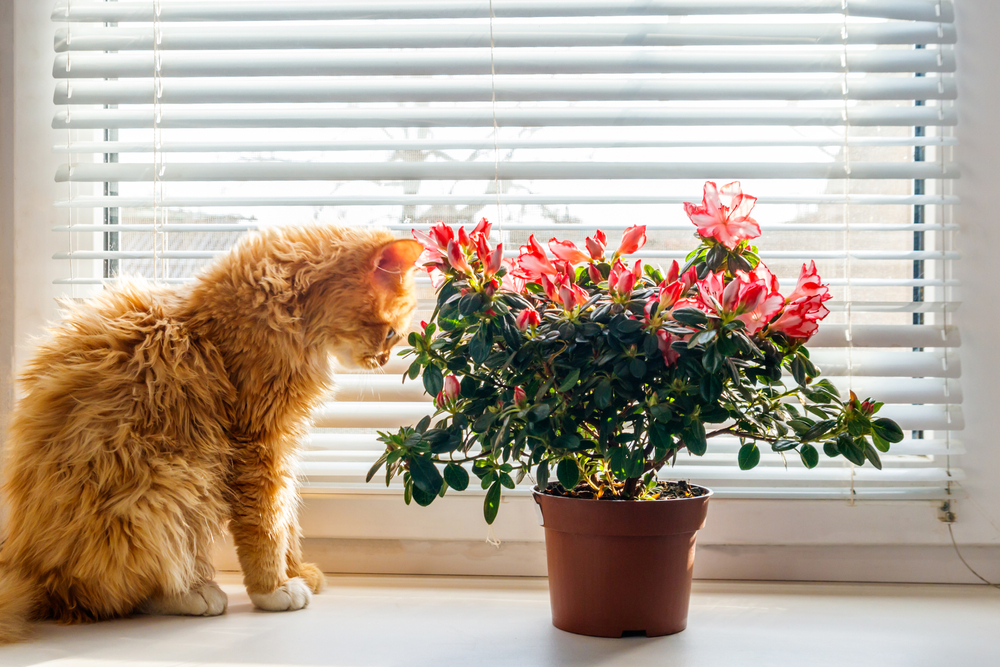
October 11, 2025 7:58 pmCats are naturally curious creatures who love to explore their surroundings, and that often includes nibbling on or brushing against household plants. While greenery can make your home look vibrant, it can also pose serious risks to feline health. Many common plants found in homes around Alexandria, VA, are toxic to cats, leading to mild irritation or even life-threatening poisoning. Understanding which plants and substances are dangerous, how to recognize the signs of poisoning, and what to do in an emergency can help ensure your pet’s safety and wellbeing.
Common Toxic Household Plants for Cats
Some of the most beautiful and easy-to-care-for plants are also the most hazardous for your cat. Lilies are among the most dangerous. Every part of a lily plant, from the petals to the pollen, can cause severe kidney failure if ingested by cats. Even drinking water from a vase that held lilies can be fatal. Another common culprit is the philodendron, often chosen for its lush green leaves and ability to thrive indoors. Unfortunately, philodendrons contain insoluble calcium oxalates, which can lead to mouth irritation, drooling, and difficulty swallowing if chewed by your cat.
Pothos, also known as devil’s ivy, is another favorite indoor plant that can irritate your cat’s mouth and digestive tract. Similarly, sago palms contain a toxin called cycasin, which can cause vomiting, liver failure, and even death if consumed. Aloe vera, widely used for its healing properties in humans, can cause lethargy and vomiting in cats. Peace lilies, snake plants, dieffenbachia, and ivy species also belong to the list of toxic household plants for cats. Homeowners in Alexandria, VA, who enjoy greenery should carefully research any plant before bringing it into their space.
Hidden Household Toxins Beyond Plants
While plants are a primary concern, many everyday household items can also be toxic to cats. Cleaning products, essential oils, and even certain foods can be harmful. Essential oils like tea tree, eucalyptus, and peppermint, for instance, may seem like natural air fresheners, but they contain compounds that can damage your cat’s liver and nervous system. Cats metabolize chemicals differently than humans do, so even small exposures can lead to significant health problems.
Household cleaners that contain ammonia, bleach, or phenol are equally dangerous. Even if a cat does not ingest these products directly, walking across a freshly cleaned surface and then grooming can transfer toxins into their system. Medications are another hidden risk. Pain relievers such as ibuprofen, aspirin, and acetaminophen can cause serious health issues if ingested, even in very small amounts. Always store human and pet medications securely and avoid leaving open containers within reach.
Certain foods commonly found in kitchens around Alexandria, VA, are also problematic. Chocolate, onions, garlic, grapes, and alcohol can all be toxic to cats. Even small amounts can trigger symptoms like vomiting, diarrhea, tremors, or lethargy. Homeowners should be especially careful during holidays or gatherings, when food items may be more accessible.
Recognizing the Signs of Toxicity in Cats
Cats are masters at hiding discomfort, which can make it difficult to detect poisoning early. However, several warning signs can alert you that your cat may have ingested a toxic substance. Common symptoms include excessive drooling, vomiting, loss of appetite, and changes in behavior such as lethargy or restlessness. You might also notice swelling or irritation around the mouth, pawing at the face, or difficulty breathing.
In more severe cases, your cat may experience tremors, seizures, or loss of coordination. If you observe blood in the urine or stool, or if your cat collapses or becomes unresponsive, these are emergency situations requiring immediate veterinary care. Because toxin exposure can quickly progress from mild to severe, it’s always better to err on the side of caution. If you suspect poisoning, remove any plant material from your cat’s mouth and fur and take a sample of the suspected plant or substance to the veterinarian for identification.
Residents of Alexandria, VA, have access to several reputable veterinary clinics and emergency animal hospitals that can provide immediate care. It’s wise to keep their contact information accessible, along with the number for the ASPCA Animal Poison Control Center, which offers 24-hour assistance for pet owners facing possible poisoning emergencies.
Safe Alternatives and Preventive Measures
Creating a cat-safe home doesn’t mean you have to give up having plants entirely. There are many non-toxic plants that can coexist peacefully with curious felines. Spider plants, for example, are safe for cats and add a touch of greenery to your home. Boston ferns, bamboo palms, and areca palms are also considered safe choices. If you live in Alexandria, VA, local garden centers often label plants that are safe for pets, making it easier to shop responsibly.
Beyond choosing non-toxic plants, you can also take preventive measures to discourage your cat from chewing on greenery. Providing enrichment activities like cat grass or catnip can redirect your cat’s interest toward safe alternatives. Elevated plant stands, hanging baskets, or enclosed terrariums can keep dangerous plants out of reach. Training techniques such as using motion-activated air deterrents or citrus-scented sprays can also help teach your cat to avoid certain areas.
Another smart approach is to limit access to certain rooms. For instance, you might designate one room for plants and keep the door closed, ensuring your cat cannot enter unsupervised. Regularly inspecting your home for potential hazards and keeping all chemicals, cleaners, and medications stored securely is essential. Taking the time to read product labels and research any new plant or item before introducing it into your home can save your cat from accidental harm.
It’s also important to educate anyone who shares your home or cares for your cat. Visitors, roommates, and pet sitters should know which plants and substances are dangerous and how to respond in case of an emergency. The more people who understand these risks, the safer your cat will be.
Conclusion
Cats bring joy, companionship, and warmth to our lives, and as pet owners, it’s our responsibility to ensure their environment is as safe as possible. Many toxic household plants for cats, along with common household products, can pose serious health risks if we’re not vigilant. By familiarizing yourself with the plants and substances that can harm your cat, recognizing the early signs of poisoning, and taking proactive steps to eliminate or control exposure, you can protect your furry companion from unnecessary suffering.
For residents of Alexandria, VA, where indoor gardening and greenery are popular, awareness and prevention are key. Opting for pet-safe plants, maintaining proper storage for chemicals and medications, and keeping emergency veterinary contacts on hand are simple yet powerful steps toward keeping your cat safe. Your home can be both beautiful and pet-friendly with the right precautions. Ultimately, the love and care you invest in creating a safe environment will ensure your cat enjoys a long, healthy, and happy life.
Need a Cat Veterinarian in Alexandria, VA?
Welcome to Kingstowne Cat Clinic! Kingstowne Cat Clinic is a locally owned, community focused cat clinic. We specialize in giving your feline friend the care they need. We offer wellness exams, surgery, dentistry, vaccinations, and acupuncture. We also provide sedated grooming and at home euthanasia. Kingstowne Cat Clinic is dedicated to providing quality medical and surgical care for all cats. Contact us today for an appointment!
Categorised in: Cat Safety, Cat Veterinarian
This post was written by admin